
Maxeda
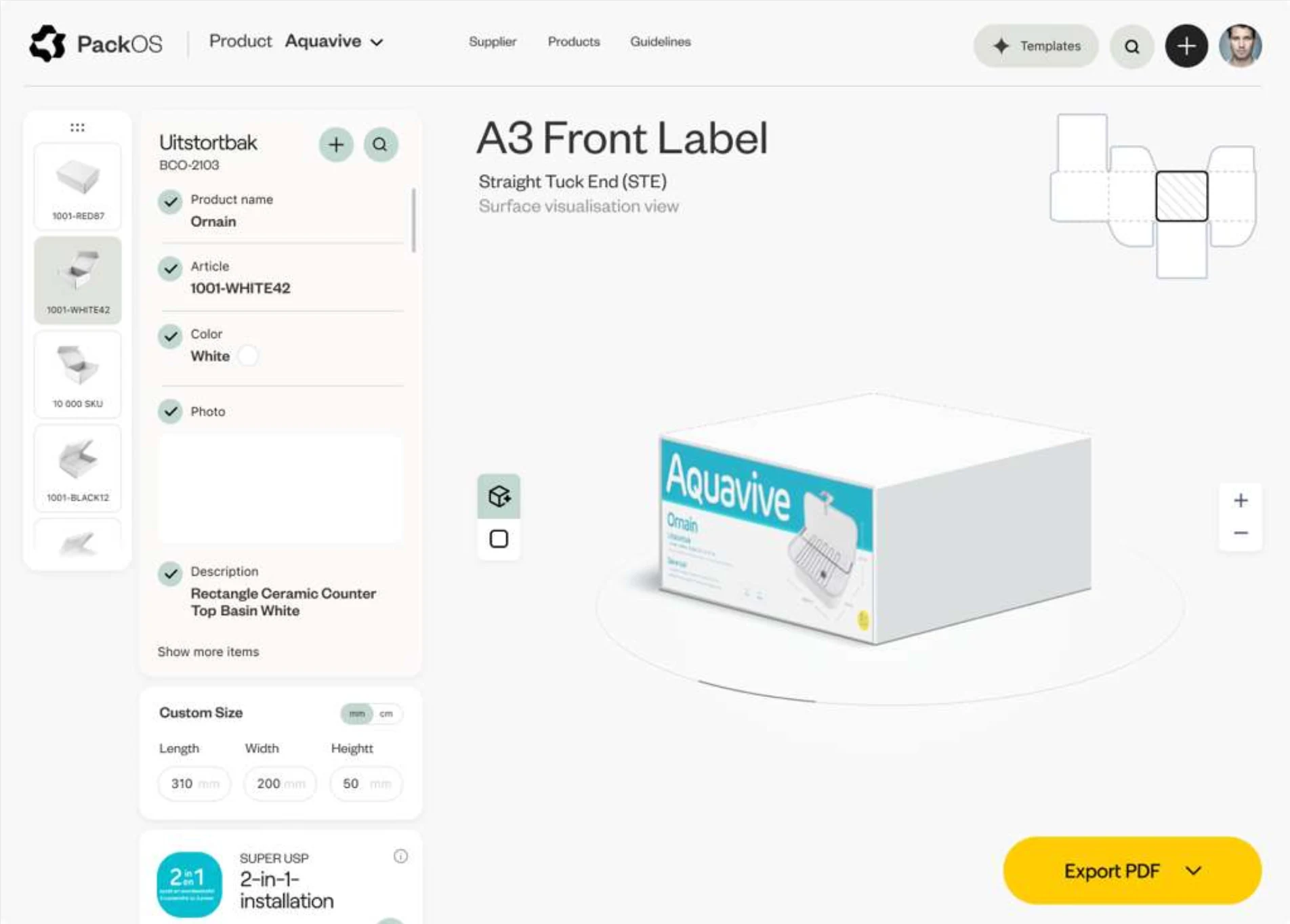
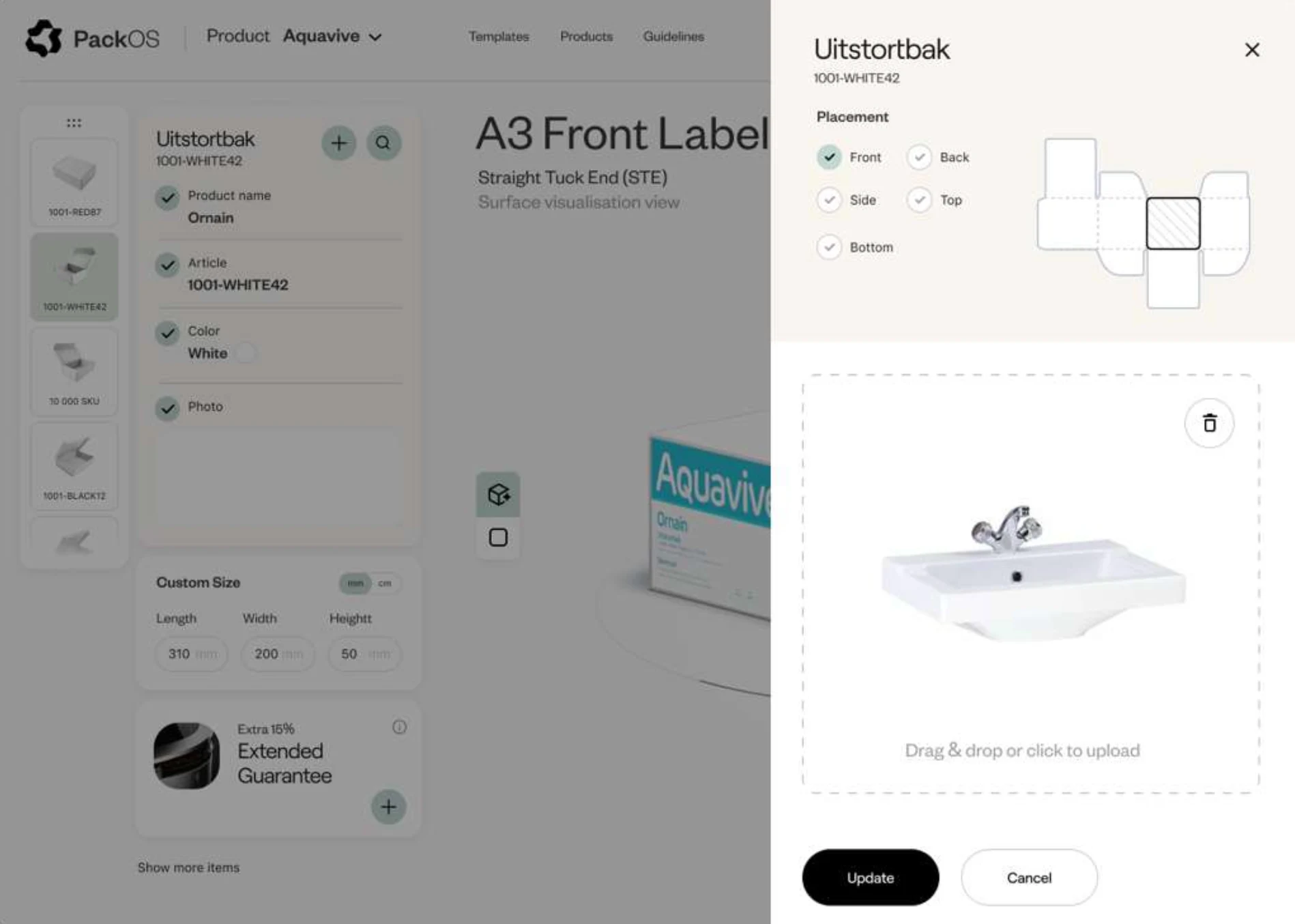
Applied AI to automate packaging artwork creation, reducing manual design effort and accelerating production workflows.
We design AI as part of the operating model — connected to workflows, data quality, decision rights and measurable adoption — and guide clients from early generative use cases to controlled agentic execution, only where readiness is proven. Before anything gets built, we answer the question most teams skip: which model do you actually need, how big, and where should it run.
Everyone debates which model is “best”. Almost nobody asks which model the job needs.
“Bigger model” and “more AI” are not a strategy. They’re a guess.
Before we talk about models, we answer two questions: which tools does the AI need access to, and which data does it need access to.
Not the biggest model.
The model the job needs.
Not one hyperscaler by default.
Infrastructure you control, where it fits.
Not a separate technology track.
AI designed into the operating model.
Those answers decide whether you need a large, general-purpose model, or whether a smaller, open source model running on infrastructure you control gets the job done — at a fraction of the cost and risk.
We separate every system into two layers. A deterministic layer — rules, logic, structured data — handles what needs to be predictable, auditable and fast. A probabilistic layer — the language model — handles communication: understanding intent, generating language, managing ambiguity. The deterministic layer feeds the language model; the language model talks to the people. Neither layer replaces the other.
Neither option below is “better” in the abstract. The right choice depends on the job, the data and how much control you need to keep. Before writing any code, we answer some questions to determine the model, its size and where it runs:
| Predictable — tied to your own compute | Variable — tied to token price, which is subsidised today | |
| Data stays on infrastructure you control | Data passes through a third party by default | |
| Low, local | Depends on network and provider load | |
| Higher upfront (fine-tuning, RAG setup) | Lower upfront, higher running cost over time | |
| Defined, repeatable tasks on your own data | Broad, open-ended tasks, general knowledge |
Open-ended reasoning with an LLM, defined domain tasks with an SLM, and precise detection and prediction with vision or classical ML.
Runs on your preferred hardware: an edge device for data security, or the cloud for scale.
For cloud hosting we select the best-fit platform: private cloud for control, public cloud for scale, or a hybrid setup.
Without clear ownership, reliable data and strong governance, AI remains unpredictable in a real organisation. So before we choose technology, three things are put in place.
No more fragmented decision-making about who decides what. One team owns delivery, quality, support and incidents.
We only build AI applications once data quality and provenance are secured — and we help diagnose and resolve those issues.
Strict approval gates, plus control mechanisms that systematically eliminate risks — enforced technically, not just on paper.
AI maturity is how much we let AI do on its own. The path runs in five levels — from drafting and answering questions for your teams, to preparing decisions in workflows, serving clients with approved content, proposing actions people approve, and finally coordinating multi-step work across systems under monitoring.
We never jump to the highest level. A workflow moves up one step at a time, only when its value, risk and operational readiness justify it — and critical decisions keep a human in the loop.
Search, summarize, draft and answer internal questions from approved knowledge. Low-risk productivity inside teams.
Prepare decisions in workflows: stock, campaigns, support, execution. Workflow owner and KPI are clear.
Product guidance, service and self-service with approved content and escalation. Confidence, brand and risk rules are tested.
AI prepares recommendations, tasks or changes; people approve critical actions. Decision rights and approval flows are live.
AI coordinates multi-step workflows across approved skills, APIs and systems. Logging, monitoring and rollback are in place.
The work is owned by one multidisciplinary pod — not as a staffing model, but as an ownership one. Specialists engage as the use case requires and ease off when it doesn’t; the core stays, and stays responsible for delivery, quality, support and incidents.
A senior AI engineer and an architect form the core, with specialists brought in as the use case requires. Small enough to move fast, senior enough to carry production.
Part of the Pod, and your single point of contact throughout. Keeps knowledge flowing into your team and raises blockers before they cost time.
Jointly select one PoC that is ready to scale.
Fixed scope, timeline and cost — engineering plus applied AI where useful.
Your team builds alongside us and gradually takes over the way of working.
Selected engagements where applied AI moved from pilot to dependable, controlled operations — matched to each client's readiness, risk and decision rights.
Applied AI to automate packaging artwork creation, reducing manual design effort and accelerating production workflows.
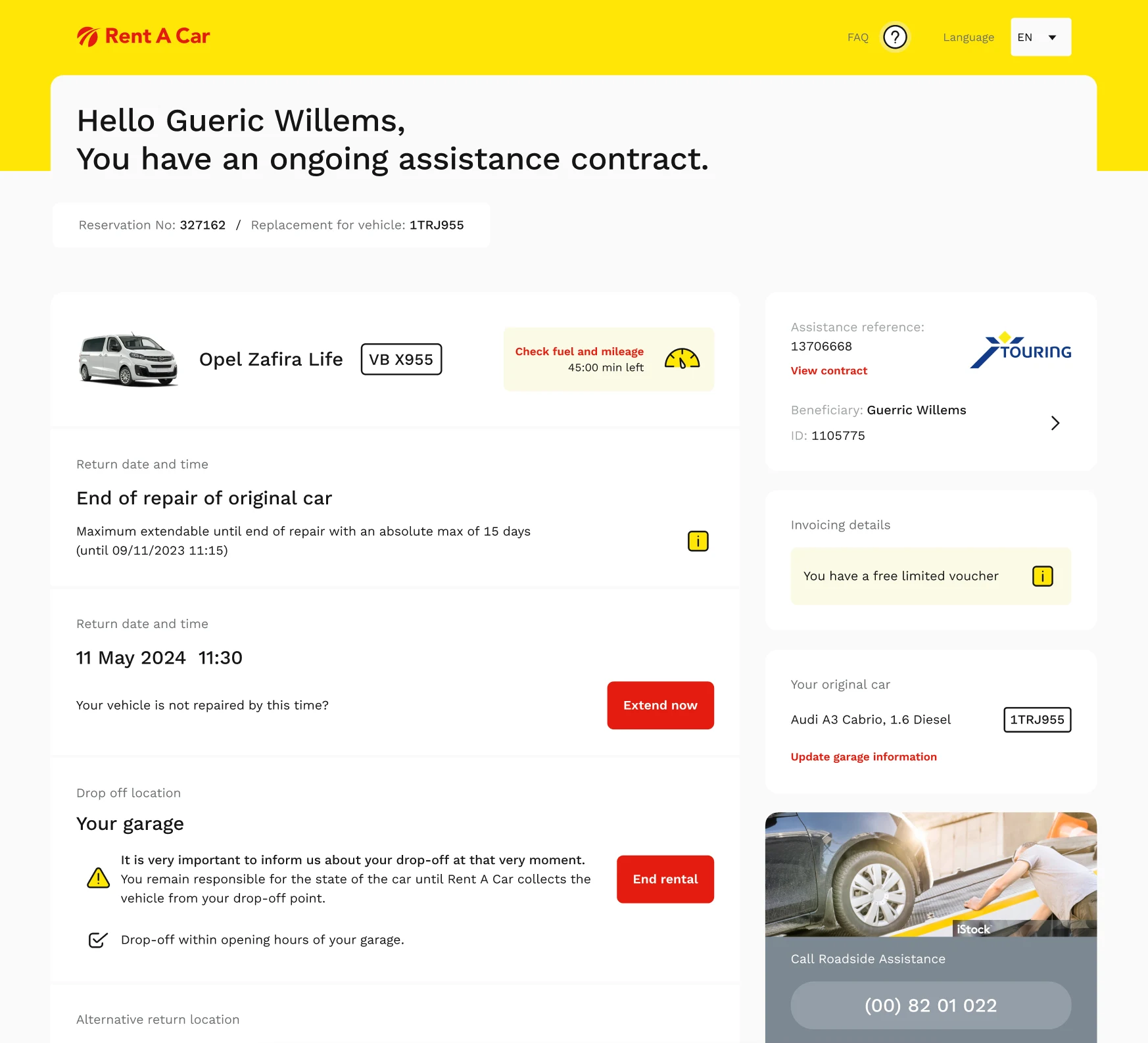

Modernized a legacy rental platform using AI, delivering a scalable, future-ready engineering architecture.
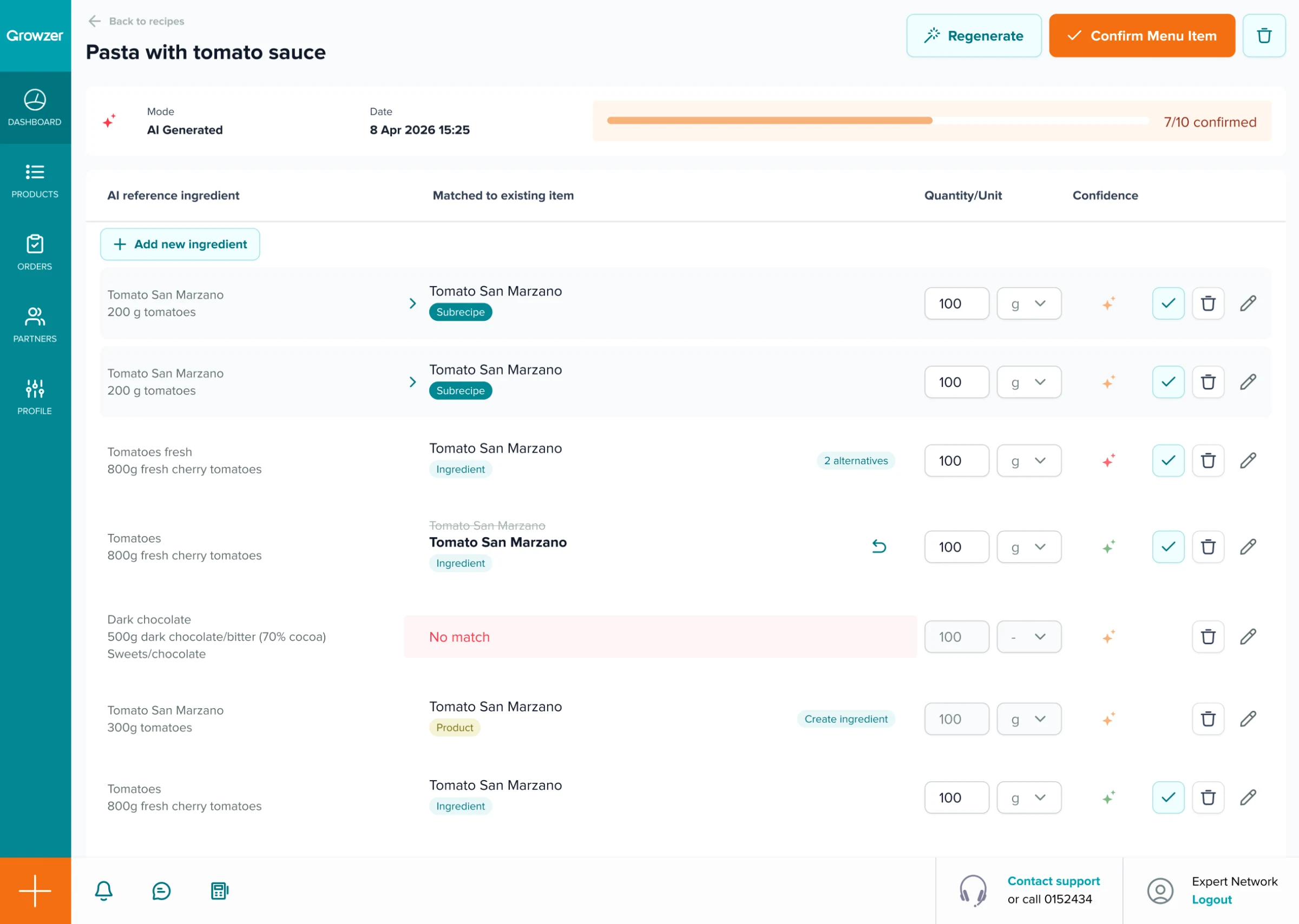
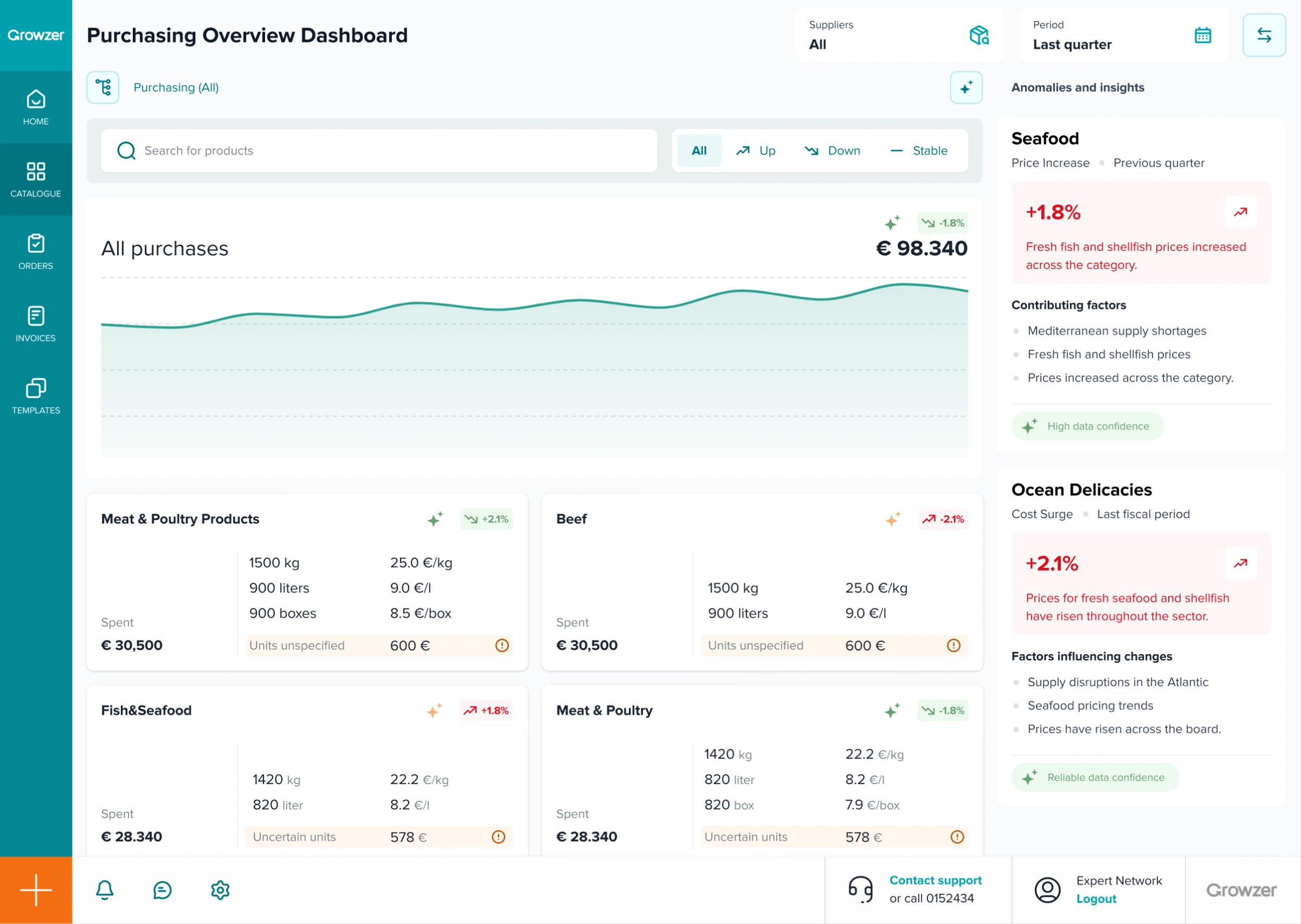

Built an AI-powered ordering, forecasting and inventory management platform with intelligent menu engineering.