A legacy rental platform gets its architecture rebuilt by AI.

Rent A Car is a Belgian family business offering car and van rental to private customers, businesses, leasing companies and assistance companies, from 50 branches across Belgium.

With Wildstream, it is modernizing a complex multi-application landscape, delivered incrementally with full business validation: AI reconstructs the architecture and business rules of undocumented legacy systems, generates regression tests from their current behavior and turns impact and feasibility analysis into a phased migration roadmap. In the contact center, AI-classified calls are linked to tickets and rental contracts, showing where customers get blocked.

Rent A Car, Belgium
  • AI Engineering

Days, not weeks

Legacy architecture and business rules reconstructed from code, validated by experts

Coverage from day one

AI-generated regression tests make refactoring safe before the first change

17,931 calls

Every call classified by AI and linked to its ticket and rental
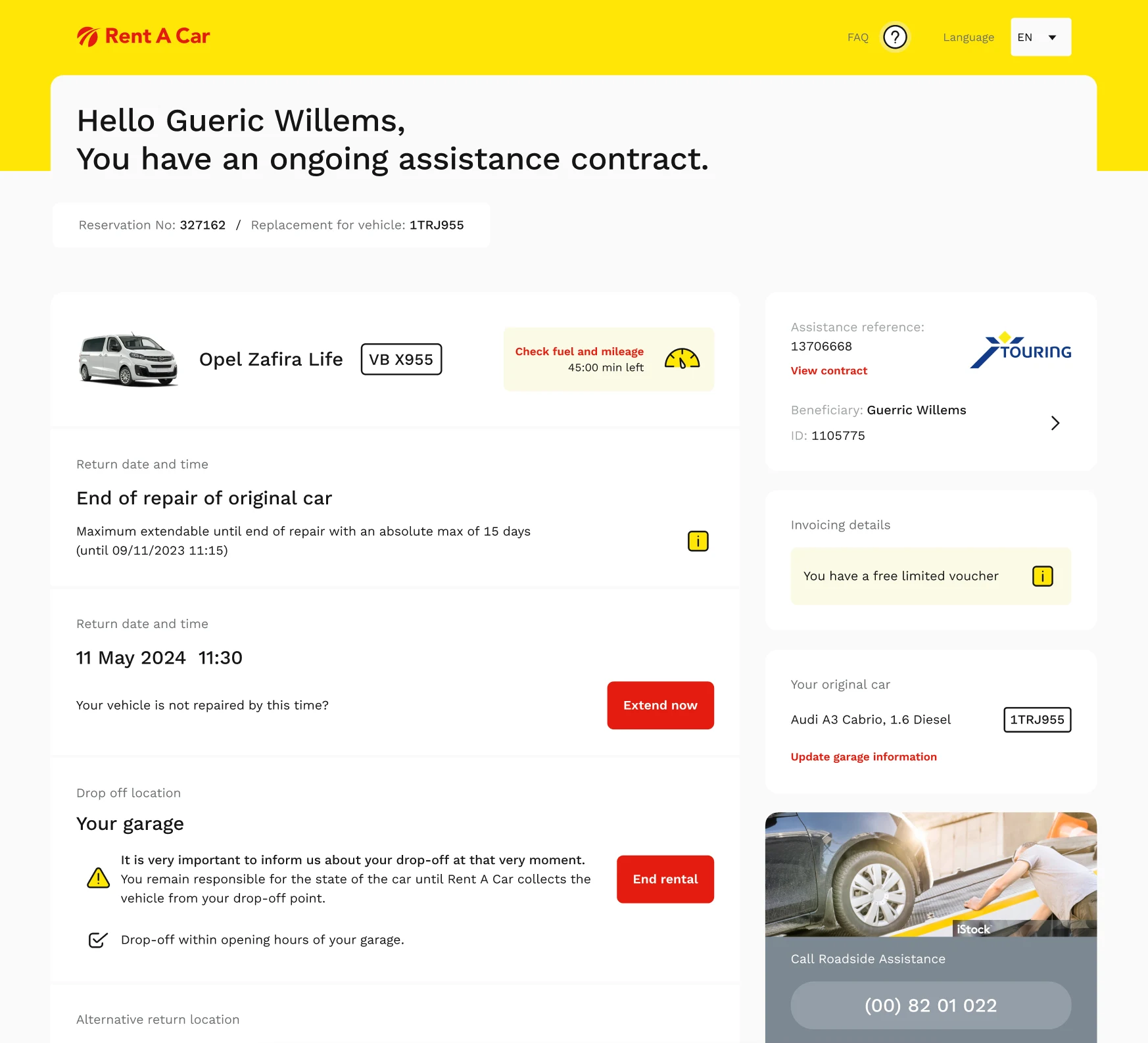
Rent A Car ongoing assistance contract screen
AI Engineering

AI Reverse Engineering of Legacy Systems

Undocumented legacy applications depend on institutional knowledge, making discovery slow and modernization risky. Teams have to work from aging documentation, and analyzing the systems by hand invites errors.

Days, not weeks

Automated analysis of code and dependencies replaces manual discovery, so modernization can start sooner.

Validated baseline

Draft specifications are checked with business experts and senior engineers, giving every later step a reference teams can trust.

Knowledge from code

Architecture, business rules and integration flows are read directly from the code, not from aging documentation or a few people’s memory.

What we did

AI analyzes source code to reconstruct architecture, business rules and integration flows, producing validated specifications and documentation in days instead of weeks.

The analysis covers code and dependencies across applications and interfaces, and the draft specifications of current system behavior are validated with business experts and senior engineers, giving teams a validated specification baseline from the start.

How it works
  1. Analyze source code and technical artifacts
  2. Reconstruct architecture, business rules and integration flows
  3. Build draft specifications of current system behavior
  4. Validate with business experts and senior engineers
Key capabilities

Code & dependency analysis

Code and dependency analysis across applications and interfaces.

Specifications & documentation

Generation of specifications and technical documentation, reconstructed from what the code actually does.

Human-in-the-loop governance

A Senior AI Engineer ensures quality, security, traceability and governance, with human-in-the-loop validation embedded throughout delivery.

Impact

Modernization driven by AI, governed by experts

Fewer manual errors

Automated analysis replaces hand-reading of code and dependencies, removing the mistakes that creep into manual discovery.

Less reliance on aging documentation

Specifications are rebuilt from what the code actually does, so teams no longer depend on outdated documents or a few colleagues’ memory.

Usable engineering assets

AI output is reviewed and shaped into specifications and documentation engineers can work from directly, rather than raw drafts.

Faster onboarding

New team members get up to speed from documented systems instead of relying on colleagues who know the code.

Bring us a challenge like this

Rent A Car started with an undocumented application landscape nobody wanted to touch. Tell us which systems are holding the business back, and we will tell you what to modernize first — by risk, business impact and delivery readiness.